Menlo Park Home Remodel Trends: Should You Remodel or Move?
May 14, 2026
May 14, 2026
Trying to decide whether to remodel your Menlo Park home or make a move? In a market where home values are well into the multimillion-dollar range and well-presented homes can still sell quickly, that choice can feel especially high stakes. The good news is that current trends offer some useful clues about what buyers value, which updates may support resale, and when moving may be the simpler path. Let’s dive in.
Menlo Park remains a high-value market with strong demand. Zillow put the typical home value at $2,865,159 through March 31, 2026, up 5.2% year over year. Redfin reported a March 2026 median sale price of $3.05 million and a 12-day median time on market.
Realtor.com showed a February 2026 median listing price of $2.495 million, 62 for-sale listings, a 105% sale-to-list ratio, and 23 median days on market. While the numbers vary by source, the bigger picture is consistent: Menlo Park is still a seller’s market, and homes that show well can attract attention quickly.
That matters if you are weighing a remodel against a move. In a market like this, you may not need a massive overhaul to get a strong result. Often, the question is whether your home needs strategic improvements or whether your next chapter calls for a different property altogether.
Today’s buyers tend to prefer homes that feel easy to live in from day one. According to the 2025 NAR buyer and seller report, 46% of buyers are less willing to compromise on home condition. That suggests buyers may place a premium on homes that feel clean, functional, and move-in ready.
Presentation also matters. NAR’s 2025 staging report found that 83% of buyers’ agents say staging makes it easier for buyers to visualize a future home. The most commonly staged rooms are the living room, primary bedroom, and dining room.
For Menlo Park sellers, that points to a practical takeaway. You may get more value from polished presentation, fresh finishes, and functional flow than from highly personal design choices that narrow your buyer pool.
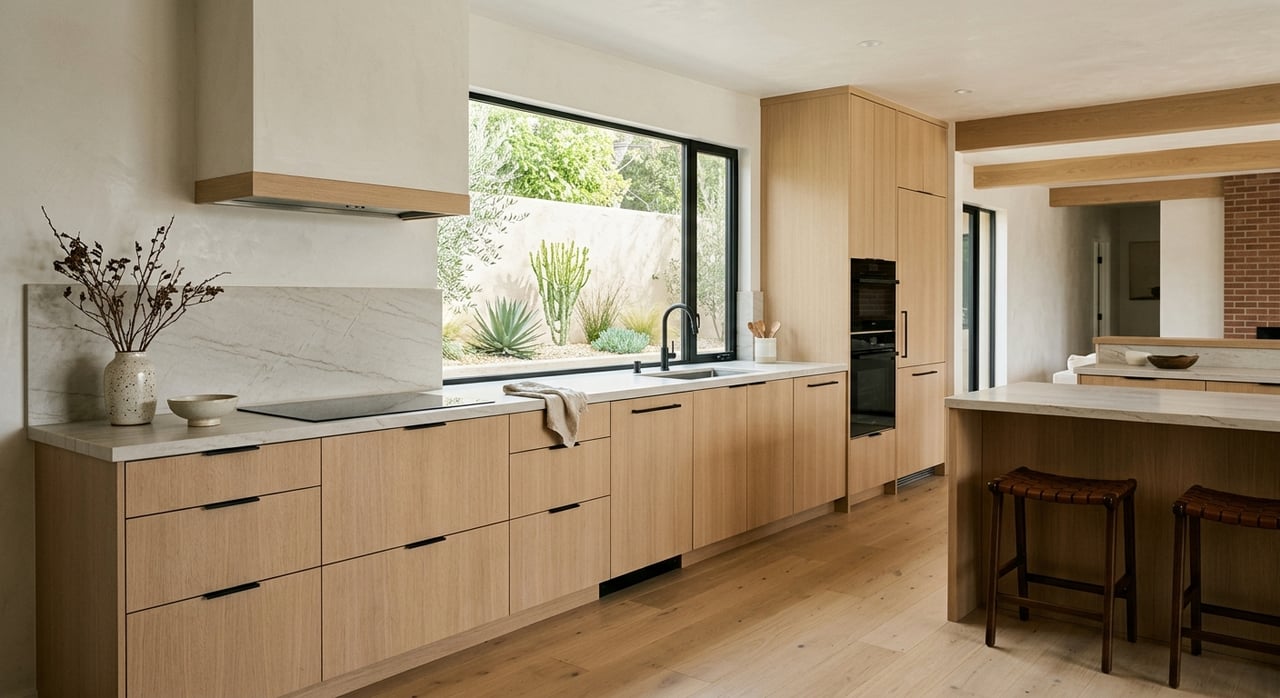
If you are considering a kitchen update, current trends lean toward timeless over trendy. Houzz’s 2025 kitchen study found that transitional style remains the top choice at 25%, while traditional style rose to 14% and farmhouse fell to 7%.
Popular features include full-coverage backsplashes, rectangular tile, and appliances with specialty features. For resale, the goal is usually not to chase the newest look. It is to create a kitchen that feels current, durable, and broadly appealing.
Bathrooms are also shifting toward comfort and usability. Houzz’s 2025 bathroom study found that 68% of homeowners consider special needs, 36% of renovated bathrooms include wellness-oriented features, and wet rooms appear in 16% of projects.
That does not mean every Menlo Park home needs a spa-style bath. It does suggest that updated bathrooms with easy-to-use layouts and thoughtful features align with where the market is heading.
Energy efficiency continues to be part of the value conversation. NAR’s sustainability report says client interest in energy efficiency is increasing, with windows, doors, and siding ranking among the most important green features.
The same report notes that proximity to frequently visited places, commute time, and highway access matter to clients. In Menlo Park, that means practical upgrades and everyday convenience can shape how buyers view a home, even if not every improvement is reflected evenly in appraisals.
Not every remodel delivers the same return. NAR’s 2025 Remodeling Impact Report shows that the strongest estimated cost recovery often comes from smaller, practical projects rather than highly customized renovations.
Here are several projects from that report that stood out for estimated cost recovery:
The same report says REALTORS most often recommend painting the whole home, painting one room, and replacing the roof before selling. In other words, condition and first impression often matter more than a dramatic, expensive redesign.
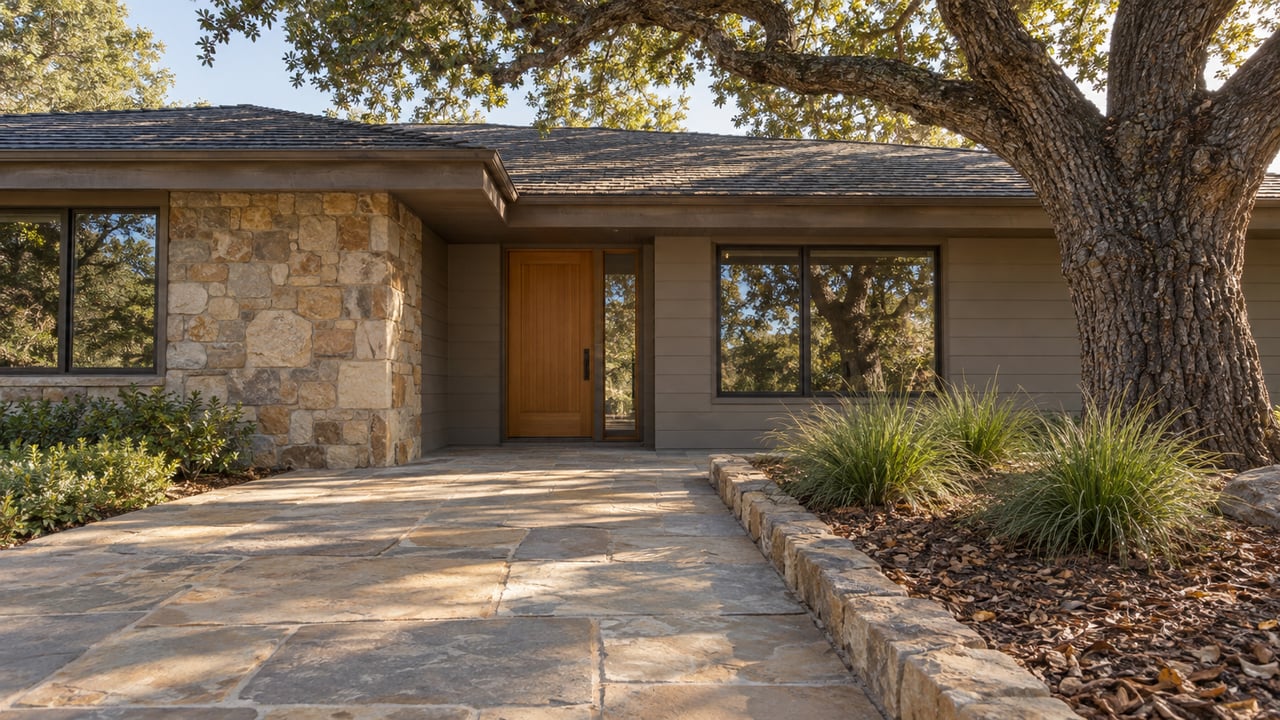
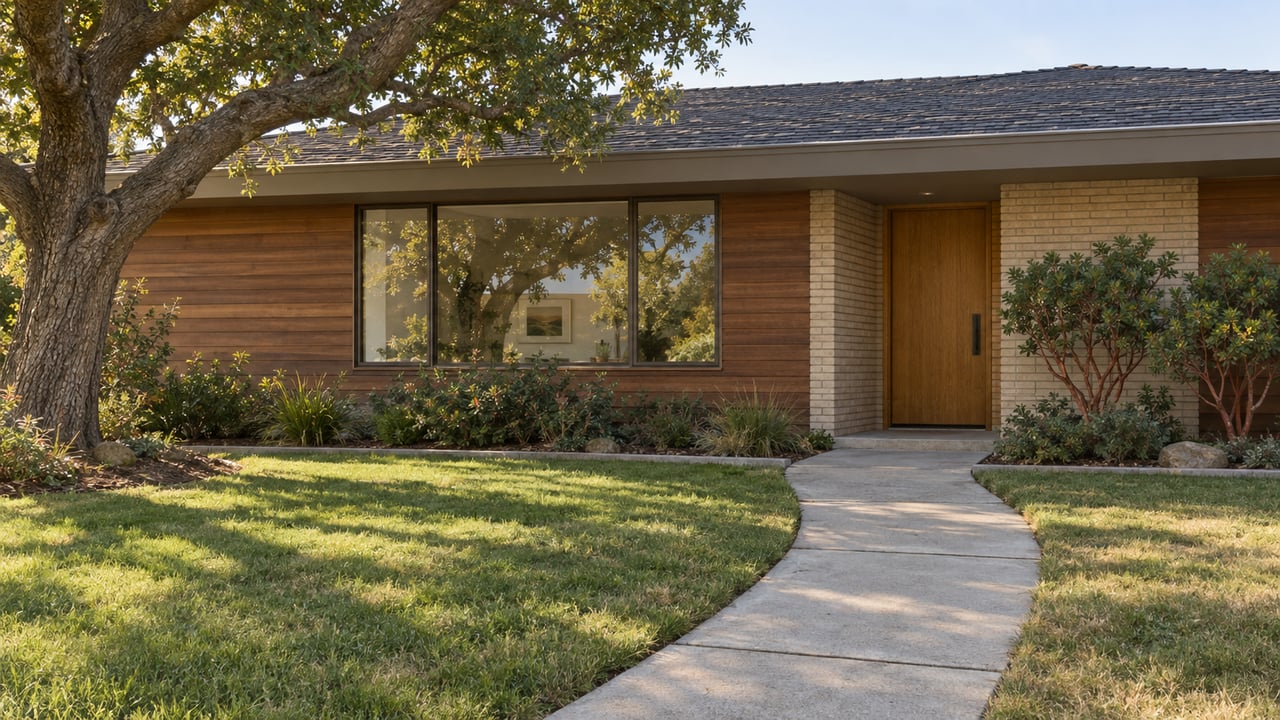
For many Menlo Park homeowners, the most resale-friendly updates are the ones buyers notice right away and use every day. That often includes paint, windows, roof condition, curb appeal, kitchen improvements, and primary bath updates.
Remodeling is often the better path when your home is fundamentally the right fit. If you like your location, lot, and overall layout, and the needed changes are mostly cosmetic or functional, a targeted remodel may help you enjoy the home now while supporting resale later.
This can be especially true if your wish list looks like this:
In a fast-moving market like Menlo Park, these updates can help a home feel more complete without forcing you into a full-scale construction project. For sellers, this kind of focused preparation may also make it easier to present the home well when the time comes.
Sometimes the issue is not finishes. It is the house itself. If you need significantly more space, a very different layout, or a different location within the Peninsula, moving may be more efficient than trying to force your current home into something it is not.
That is especially relevant in Menlo Park because larger projects can become more complex. The city states that residential work generally needs a permit unless it is exempt, and all work must meet the current California Building Standards Code and Menlo Park Municipal Code at submittal.
For major additions and new structures, the city notes that projects can trigger road impact fees, school fees, transportation impact fees, arborist or tree-protection review, grading and drainage requirements, and possible water-meter review. Menlo Park’s 2025 CALGreen amendments also add future-electrification requirements for some kitchen or electrical panel projects, and a heat pump is required in certain A/C condenser replacement projects unless an exception applies.
That does not mean a larger remodel is never worth it. It does mean that if your plans involve structural work, major square footage changes, or multiple layers of review, the cost, timeline, and friction can shift the math toward buying a different home instead.
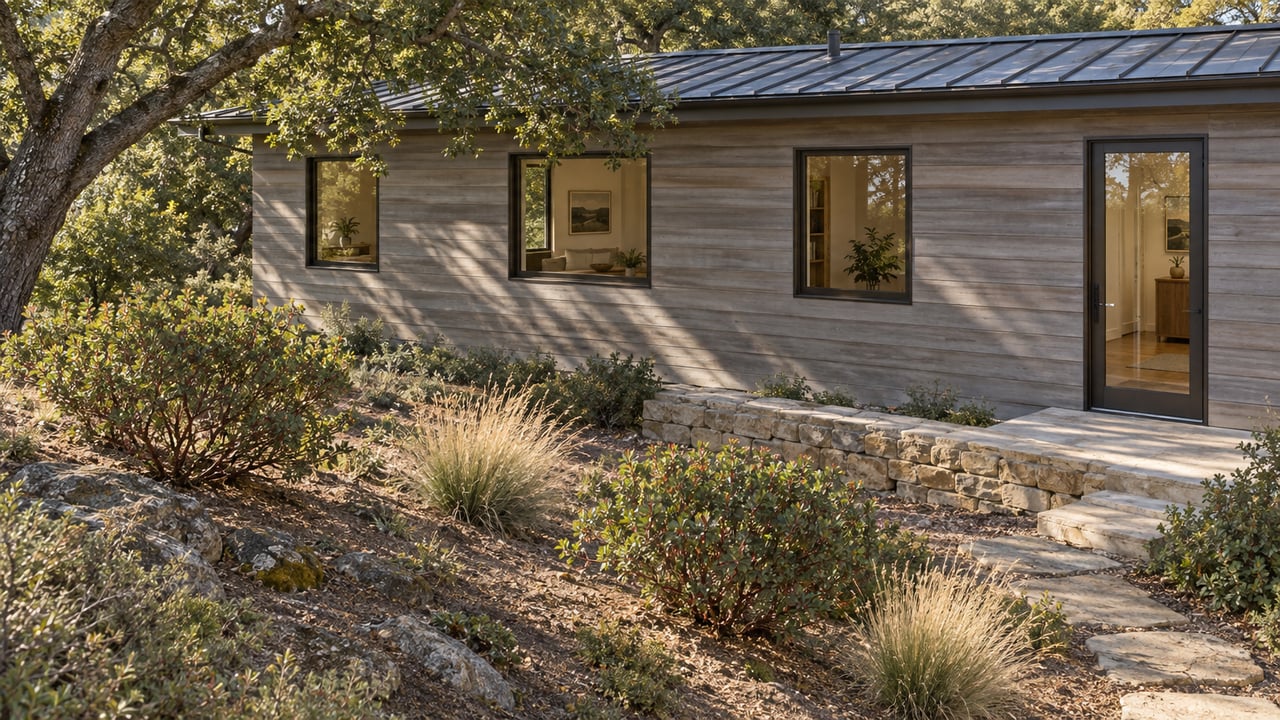
If you love your neighborhood but need more flexible space, an ADU may offer a middle ground. That can be useful if your goal is to create room for guests, work, extended household needs, or added separation without leaving Menlo Park.
Menlo Park says ADU applications that meet zoning can be reviewed and approved by staff. As of January 1, 2026, new ADU applications go through a 15-business-day completeness review and then a decision within 60 calendar days once complete.
An ADU is still a regulated construction project, so it is not a shortcut. Still, if your challenge is space rather than location, it may be worth exploring before you decide to sell.
If you have owned your home for a while, you may have more flexibility than you think. Nationally, NAR reports that the median down payment among repeat buyers was 23%, more than half used proceeds from a previous sale, and all-cash purchases averaged 26% of the market over the last year.
In a place like Menlo Park, where values are already high, that pattern suggests some owners may be in a strong position to trade up. Whether that is the right move depends on your equity, goals, timing, and what kind of home would better fit your next stage.
If your home is fundamentally right and the changes you need are cosmetic, practical, or clearly resale-friendly, remodeling may be the better answer. If your goals involve a larger footprint, a very different layout, or a major construction effort with added permitting and code requirements, moving may be the more efficient solution.
In today’s Menlo Park market, both paths can work. The key is choosing the one that supports your lifestyle and your finances, not just the one that sounds appealing in theory.
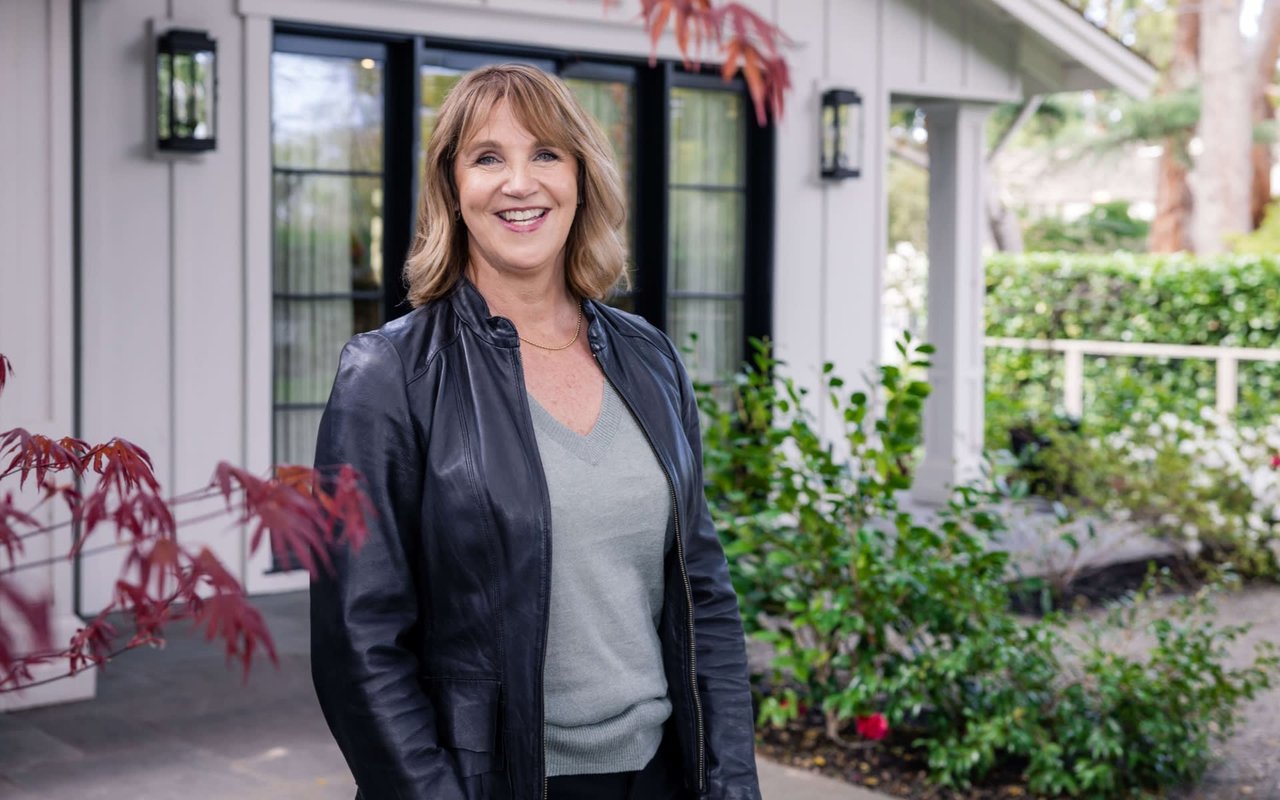
If you want help thinking through the resale impact of improvements, timing a move, or preparing a high-value home for the market, Vicki Ferrando offers a calm, hands-on approach with local insight, tailored strategy, and trusted vendor coordination.
Stay up to date on the latest real estate trends.
Vicki is consistently the main point of contact throughout the real estate transaction and maintains a streamlined avenue of communication with clients. She curates a highly respected network of resources for connecting clients with local specialists and service vendors. Contact her today!
GET IN TOUCH WITH VICKI TO LEARN MORE
VICKI FERRANDO | CA DRE# 01418802
160 MAIN ST LOS ALTOS CA 94022