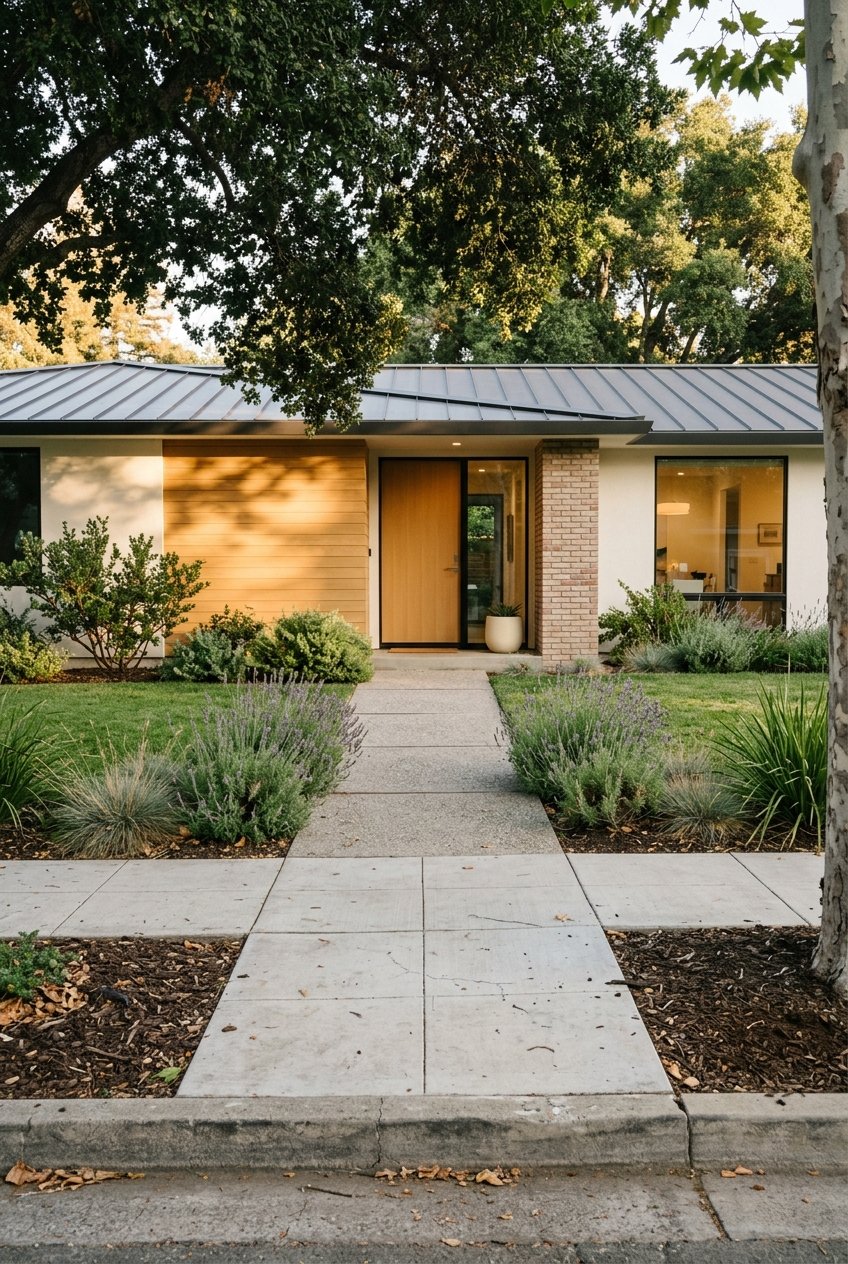
Mountain View Walkable Neighborhoods for Daily Life
June 4, 2026
June 4, 2026
If you want a more walkable lifestyle on the Mid-Peninsula, Mountain View deserves a close look. Not every part of the city feels the same on foot, and that matters when you are choosing where to live. The good news is that Mountain View has several strong pockets where neighborhoods, parks, and transit connect in ways that can make daily life easier. Let’s dive in.
Mountain View is a compact city of a little more than 12 square miles, and the city places real emphasis on downtown, trails, and transit access as part of local mobility. That said, walkability is not spread evenly across every block. The strongest experience is concentrated in a few key areas.
For many buyers, Downtown Mountain View and Castro Street are the clearest walkable core. This area runs along Castro Street between Evelyn Avenue and El Camino Real, where the city highlights restaurants, shopping, performing arts, civic uses, and a plaza near transit. In 2022, the 100, 200, and 300 blocks of Castro Street became a pedestrian mall, which strengthened the street’s people-first feel.
If you picture a lifestyle where you can step out for coffee, meet friends for dinner, and connect to transit without getting in your car, downtown is the most natural fit. The city also describes downtown as a mixed-use, walkable city center, which supports that everyday convenience many buyers are looking for.
A walkable neighborhood often works best when it is also connected to the rest of the region. In Mountain View, that connection starts at the Downtown Transit Center. The city calls it the centerpiece of Mountain View’s transportation system and a front door to downtown.
This is not a small local stop. The Transit Center serves more than 12,000 weekday boardings and alightings and connects Caltrain, VTA light rail, buses, and shuttles. For commuters, hybrid workers, and households trying to reduce daily driving, that level of connectivity can make a real difference.
Mountain View Station is also served by Caltrain in Zone 3 and connects to VTA’s Orange Line light rail. That gives you regional options while still tying back into a downtown area that is designed to be more pedestrian-friendly.
Downtown gets most of the attention, but it is not the only part of Mountain View where a car-light lifestyle can work. The city has 25 precise-plan areas, including Downtown, San Antonio Station, Whisman Station, South Whisman, North Bayshore, San Antonio, East Whisman, and El Camino Real. These names are helpful because they point to areas where the city is shaping denser or more connected land-use patterns.
Two areas stand out in particular. The city describes East Whisman as a transit-oriented employment center that allows residential uses, commercial uses, open space, and multimodal connectivity. The San Antonio plan describes an area evolving into a mix of commercial and residential uses where bicyclists and pedestrians connect more easily to nearby neighborhoods, Caltrain, and VTA stations.
These areas may not feel exactly like downtown, but they can still support a practical day-to-day routine with fewer car trips. In many cases, they are best thought of as car-light rather than car-free. You may be able to handle commuting and shorter local trips with transit and shuttles, while still using a car for larger errands or some cross-town travel.
One reason Mountain View’s mobility story is more credible than it first appears is the local transit support around the city. MVgo shuttles connect the Transit Center to North Bayshore, East Whisman, San Antonio, and downtown. The free Mountain View Community Shuttle adds another layer, with 50 stops across town.
For buyers who work in tech, commute on a hybrid schedule, or simply want more flexibility, these connections can expand what feels convenient. You are not relying only on one train stop or one corridor. Instead, the city’s transit and shuttle network helps link together downtown, employment centers, and several growing mixed-use areas.
The city is also continuing complete-streets and transit improvements along routes such as Shoreline Boulevard and other key corridors. That ongoing work supports a more connected experience for walking, rolling, biking, and transit use over time.
Walkability is not only about restaurants and transit. For many buyers, it is also about whether you can easily get outside for a morning walk, take the dog out, head to a playground, or fit in a quick workout without a long drive. This is one of Mountain View’s strongest qualities.
The city’s Parks Division maintains 45 urban parks and more than 10 miles of bicycle and pedestrian trails. Those trails include the Stevens Creek, Permanente Creek, Hetch Hetchy, and Bay trail corridors. The city also notes that Shoreline at Mountain View connects to nine miles of multi-use trails through the city.
That means some neighborhoods gain a lot of lifestyle appeal from park and trail access, even if they do not have the same retail density as downtown. If your version of convenience includes green space more than storefronts, these areas may feel especially compelling.
Several parks stand out as useful anchors for daily life.
Cuesta Park includes walking paths, an off-leash dog area, a playground, tennis courts, and BBQ facilities. If you want everyday outdoor options close to home, this kind of park access can shape your routine in a meaningful way.
Sylvan Park offers a walking path, open lawn, playground, tennis, volleyball, and fitness equipment. It supports a wide range of casual outdoor uses, from a quick walk to more active recreation.
Rengstorff Park adds pool and recreation amenities through the Aquatics Center. For households that value easy access to recreation, this can be a practical quality-of-life benefit.
Shoreline is one of the city’s biggest open-space assets. This 750-acre regional park and wildlife refuge includes a trail system, lake, golf course, dog park, fields, and the historic Rengstorff House. It also plays an important role in the city’s broader trail connectivity.
If you are home shopping in Mountain View, it helps to think about walkability in three different ways.
If your priority is being able to walk to dining, shopping, civic uses, and transit, downtown and the Castro Street area should be at the top of your list. This is the part of Mountain View where the pedestrian environment is most obvious and most consistent.
If you want easier commuting and practical local access, look closely at areas tied to San Antonio, East Whisman, North Bayshore, and other transit-oriented pockets. These areas can support a lighter-car routine, especially if your work and daily patterns align with transit and shuttle options.
If your ideal routine centers on outdoor access, trail networks, and recreation, park-adjacent areas may be more appealing than the busiest mixed-use blocks. In these locations, convenience often comes from open space and movement options rather than from a dense retail core.
It is important not to overstate the story. Mountain View is not uniformly walkable. The strongest car-light experience is concentrated around downtown, the Transit Center, and selected corridor or precise-plan areas.
Some lower-density residential streets will still feel more car-dependent for major shopping, certain errands, or cross-town trips. That does not make those areas less desirable. It simply means that your experience will depend heavily on where you buy and how you like to move through your day.
That is why neighborhood-level guidance matters. Two homes can be in the same city and offer very different day-to-day convenience depending on how close they are to downtown, a trail corridor, a shuttle route, or a transit station.
A home is not just the house itself. It is also the pattern of life around it. In Mountain View, that pattern can look very different depending on whether you value a downtown stroll, a train connection, or quick access to parks and trails.
When you understand how these pieces fit together, you can search more strategically. You are not just asking whether Mountain View is walkable. You are asking which part of Mountain View matches the way you actually want to live.
If you want help narrowing down the right pocket of Mountain View for your priorities, Vicki Ferrando offers thoughtful, local guidance tailored to how you want to live, commute, and move through your day.
Stay up to date on the latest real estate trends.
Vicki is consistently the main point of contact throughout the real estate transaction and maintains a streamlined avenue of communication with clients. She curates a highly respected network of resources for connecting clients with local specialists and service vendors. Contact her today!
GET IN TOUCH WITH VICKI TO LEARN MORE
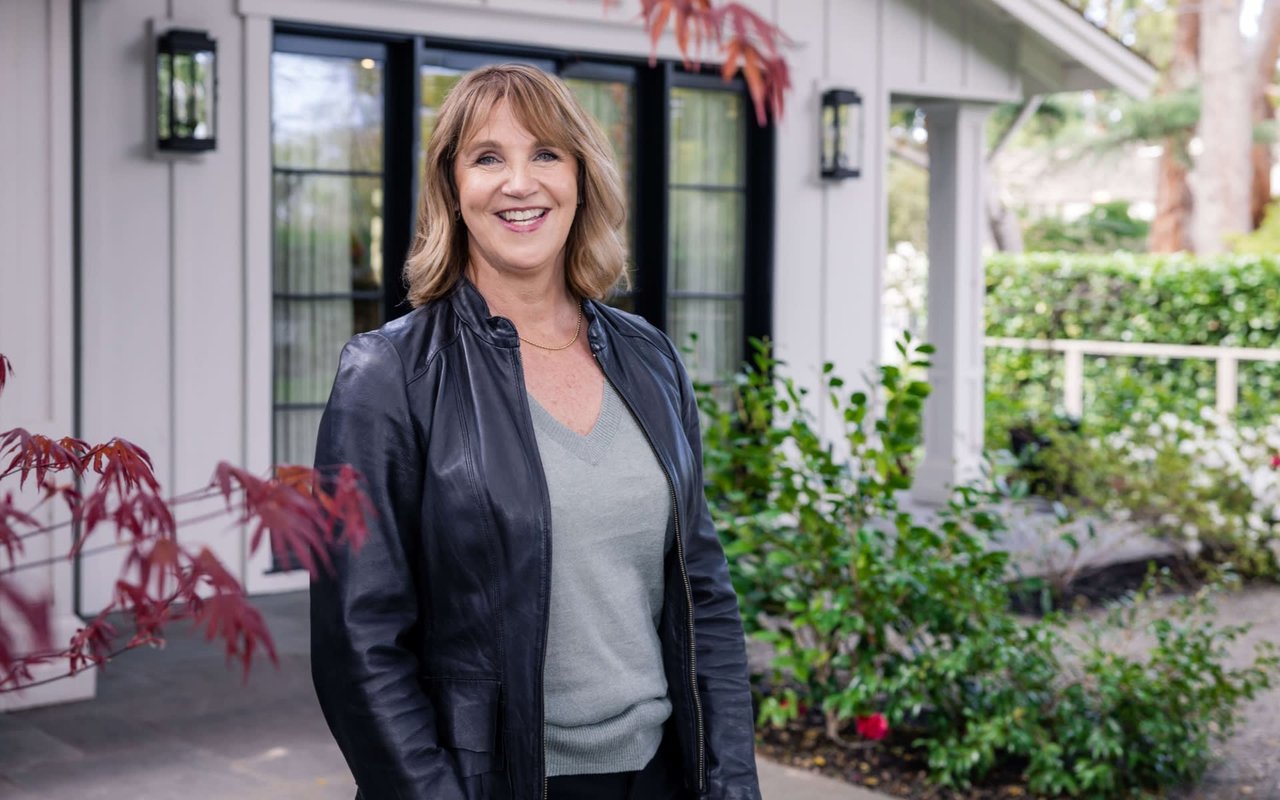
VICKI FERRANDO | CA DRE# 01418802
160 MAIN ST LOS ALTOS CA 94022