Torn between the village vibe of Los Altos and the quiet acreage of Los Altos Hills? You’re not alone. Both offer exceptional Peninsula living, but the details around lot size, commute, amenities, and project potential are very different. In this guide, you’ll compare the essentials side by side and leave with a simple checklist to help you choose with confidence. Let’s dive in.
Big‑picture feel
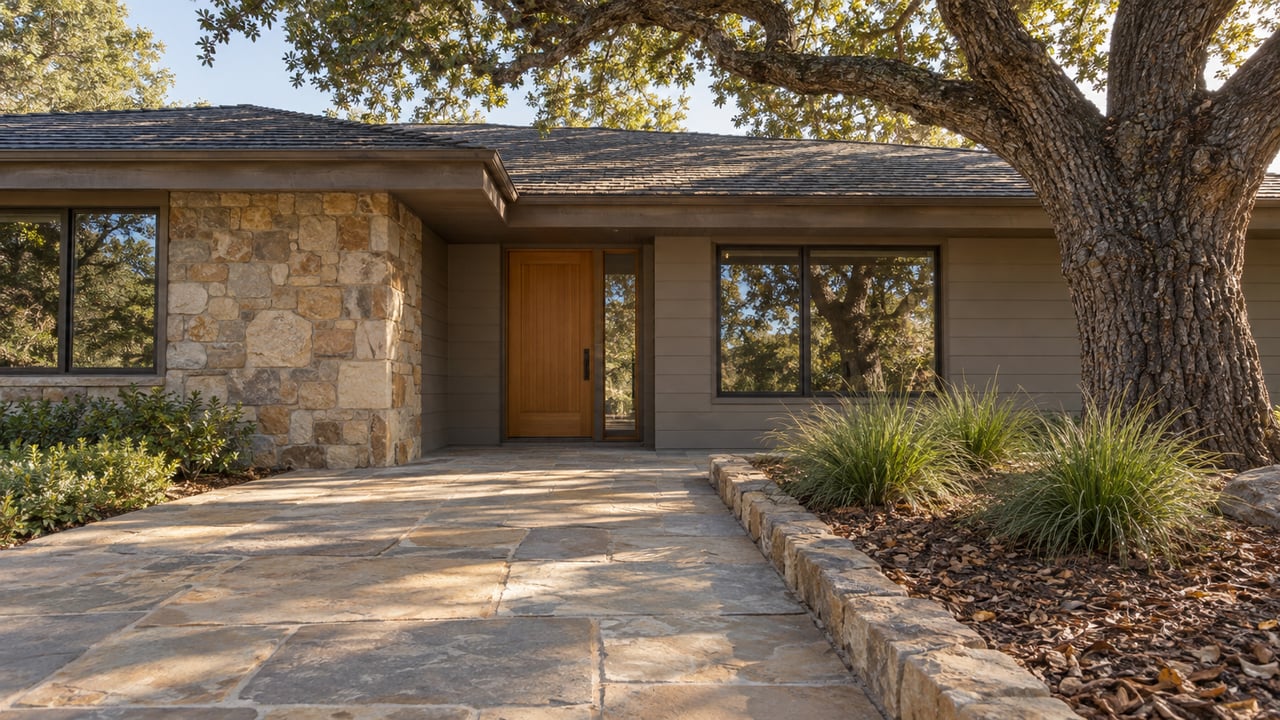
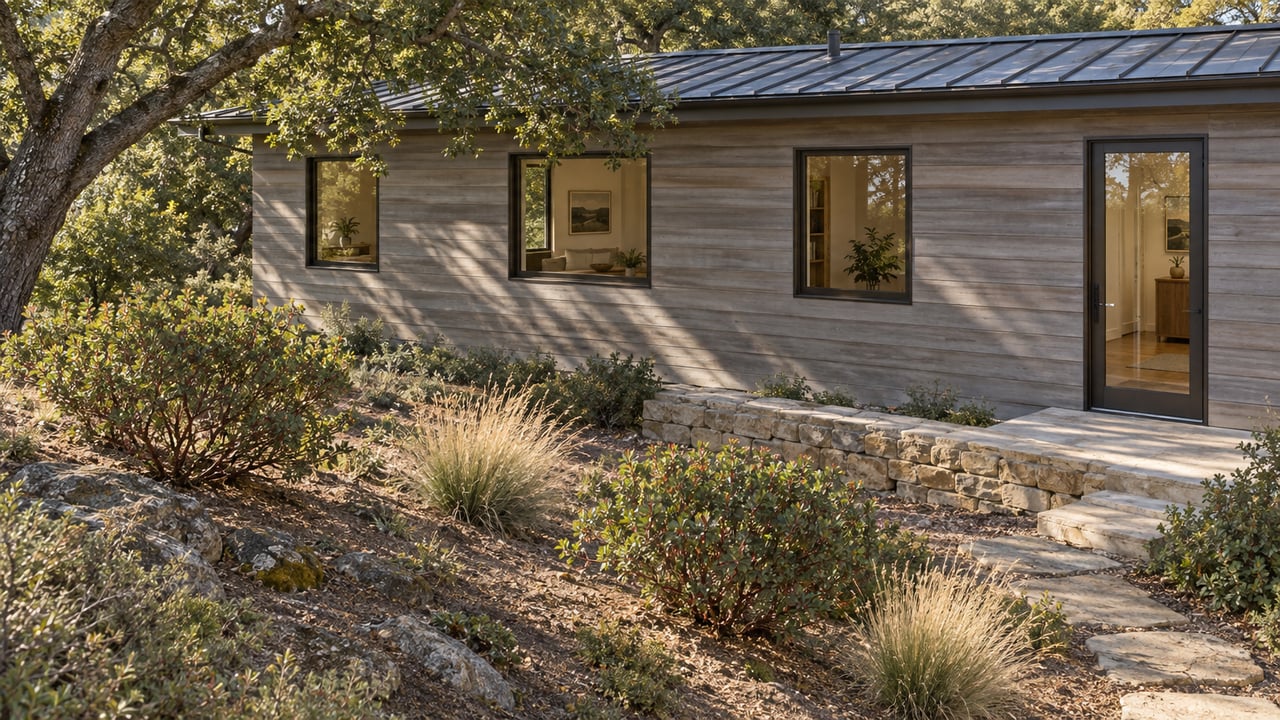
Los Altos Hills reads as semi‑rural and low density with estate‑scale homes on large parcels. You get privacy, space, and direct access to trails and open space. Shopping and restaurants sit in neighboring cities, so you plan more trips by car.
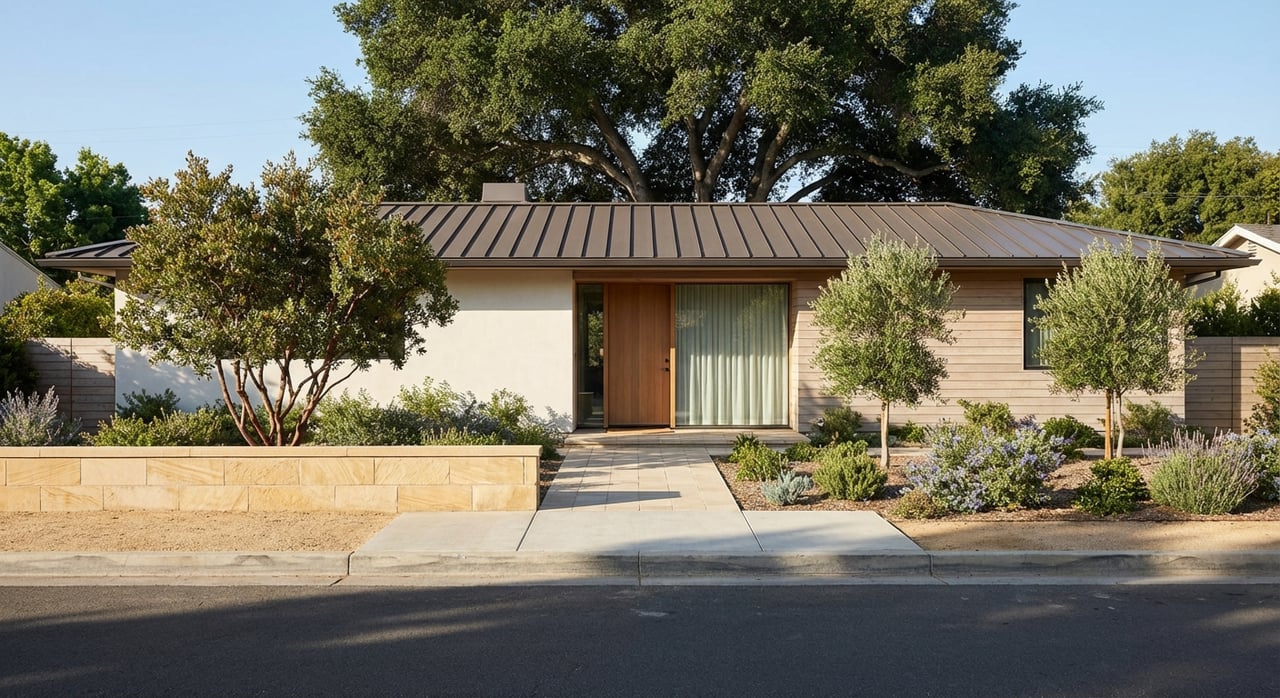
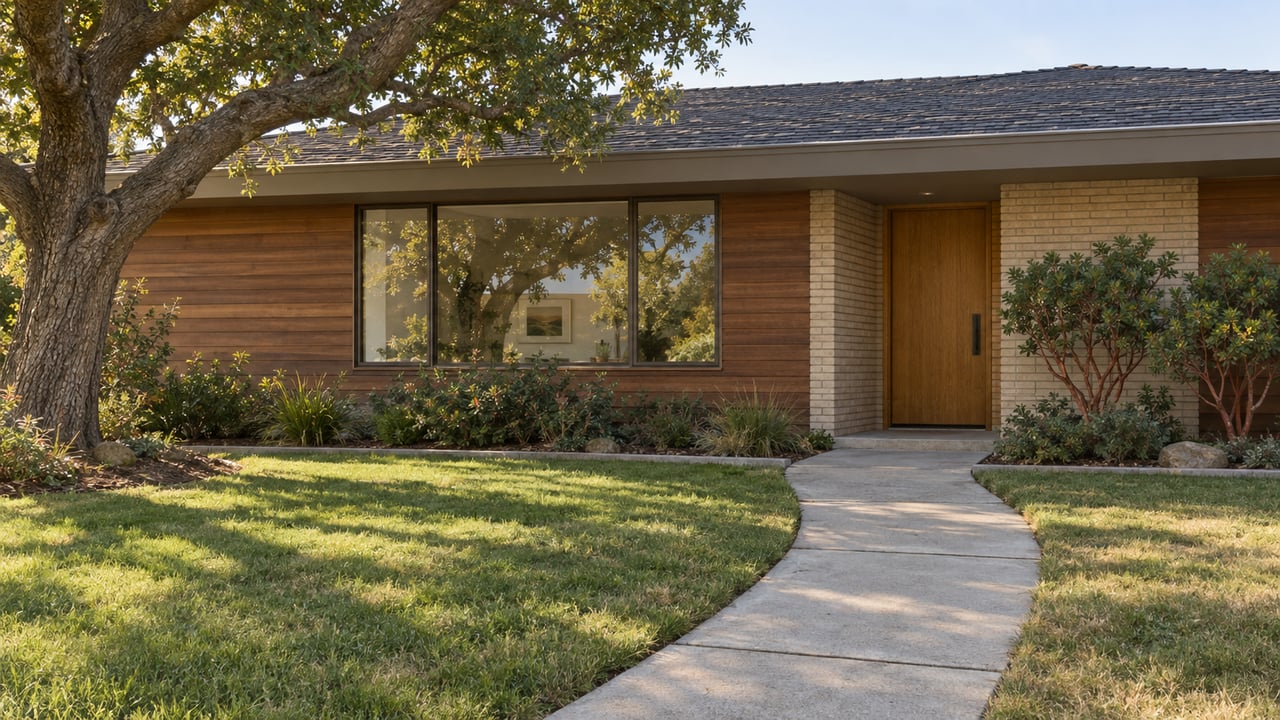
Los Altos feels like a walkable Mid‑Peninsula village. Many neighborhoods sit close to a defined downtown with shops, dining, farmers’ market, and civic events. Lots are smaller than Los Altos Hills, though still generous by Bay Area standards.
Land use and lot rules
Los Altos Hills
- Lot size and zoning. The town requires a minimum net lot area of one acre for new parcels. That one‑acre minimum is a key reason the town stays ultra‑low density. You can review the standard in the town’s municipal code, including development formulas and site design rules, in the Los Altos Hills code.
- What you can build. Maximum development area and floor area depend on lot size, slope, and other factors. Setbacks, driveway design, and coverage rules also apply, so additions and custom builds benefit from early planning and review.
- Utilities to verify. Some parcels use septic systems while others connect to neighboring city sewer lines. Water service varies by district, and capacity or connection costs may affect large projects. The town’s general plan notes these mixed conditions for buyers to confirm during due diligence. See the general plan housing section for context.
Los Altos (city)
- Typical lots and zoning. The city’s single‑family areas include districts where many developed lots fall around 10,000 to 20,000 square feet, depending on neighborhood. You can check parcel zoning and allowed build area in the city’s public GIS viewer.
- Additions and ADUs. The city provides standards for additions and accessory dwelling units. If you need multigenerational space or a home office suite, reviewing ADU guidelines early helps you understand what is possible.
Commute and transportation
- Average commute time. Census estimates show Los Altos with a mean commute near 22.3 minutes and Los Altos Hills around 29.2 minutes. That extra time often reflects hillside roads and longer local drives. See the Census QuickFacts panel for context.
- Rail and shuttles. Neither city has a station within city limits. Residents commonly drive to Palo Alto or Mountain View to catch Caltrain. You can review shuttle and connection options on the Caltrain shuttles page.
- Walkability. Central Los Altos addresses near downtown can be very walkable. Many Los Altos Hills addresses are more car‑dependent due to distance and topography. For a feel, compare a Walk Score example near downtown Los Altos to hillside addresses in Los Altos Hills.
Amenities, schools, and outdoors
- Downtown and events. Los Altos supports an active downtown with community events, dining, and retail centered on State and Main. For a taste of the civic calendar, explore the Los Altos Arts & Wine Association overview.
- Parks and trails. If you prioritize open space, Los Altos Hills offers quick access to nearby preserves and trail networks. Hikers and riders often use routes in Monte Bello, Los Trancos, and Arastradero. Browse popular options on AllTrails for Los Altos Hills.
- School boundaries. Much of Los Altos and large portions of Los Altos Hills are served by Los Altos School District for K‑8 and Mountain View–Los Altos Union High School District for high school. Boundaries do not match city limits, so always verify a specific address with the districts’ tools. Learn more about district context and history via the LASD site. For any address you are considering, confirm school assignment directly with the district.
Market snapshot and pricing
As of late 2025 and early 2026, Redfin snapshots show a higher median sale price in Los Altos Hills than in Los Altos. Example figures from that period: Los Altos around 4.45 million (Dec 2025) and Los Altos Hills around 5.35 million (Jan 2026). These numbers change frequently. You can view current city snapshots on Redfin, including the Los Altos Hills market page.
- Interpreting price per square foot. Both markets run high on a per‑square‑foot basis. On estate lots, lot value can make per‑square‑foot comparisons less useful. When land size or privacy is your priority, compare recent sales with similar acreage rather than relying on simple per‑square‑foot averages.
Tip: Before making offers, refresh live pricing on the city pages or have your agent pull recent MLS comps for the most accurate read.
Who tends to thrive where
- Los Altos Hills. You may prefer LAH if you value privacy, space for amenities like gardens, courts, or stables, and a quieter setting. Buyers who enjoy custom building or major additions often find the town’s lot sizes compelling. In return, you accept more driving and less walkability.
- Los Altos. You may prefer Los Altos if you want a neighborhood feel with quicker access to downtown dining, errands, and community events. Many families appreciate being close to schools and activities, plus a shorter drive to job centers and Caltrain.
Renovation and project notes
- Los Altos Hills. Plan for a detailed review of setbacks, maximum development area, and site design if you intend to expand or rebuild. If a property is on septic, that system can shape how large your project can be. Water district service and capacity are also worth confirming early.
- Los Altos. Additions and ADUs can be a practical way to gain space on smaller lots. Check city standards while you are touring so you know whether an in‑law suite, office, or rental unit will fit your plan.
Practical buyer checklist
Use this quick list while touring and comparing properties.
- Lot and zoning: Confirm the minimum lot standard and how much floor area is allowed on the specific parcel. For LAH, review the town code. For Los Altos, check the city GIS viewer.
- Sewer, septic, and water: Ask whether the home is on municipal sewer or septic. Verify water provider and any connection or capacity notes. See the town’s context in the general plan housing section.
- Commute and transit: Time your door‑to‑door commute at your rush hours. Plan the drive to the nearest Caltrain station and note parking or shuttle options via Caltrain shuttles.
- Walkability: If daily errands on foot matter, compare a downtown Los Altos example on Walk Score to your target addresses in the hills.
- Schools: Verify the exact school assignment for your address using district tools. Review context from the LASD site and confirm details with the district.
- Wildfire readiness: Hillside properties may have brush‑clearing and defensible‑space requirements. Check with the local fire district about current standards.
- Valuation: For estate lots, compare like‑for‑like on acreage and setting rather than relying on per‑square‑foot metrics alone. Use recent, nearby comps.
A quick decision framework
If you had to choose in ten minutes, ask yourself:
- Do I want walkable access to dining and errands, or do I prioritize privacy on a large lot?
- How much time am I comfortable adding to my average daily drive?
- Do I plan to build or expand significantly, and if so, which town’s rules better support my goals?
- Which specific school assignments fit my plan, based on the exact address I am targeting?
- What outdoor lifestyle do I want most often: downtown strolls or trailheads and open space?
Your answers will point you toward either Los Altos for village convenience or Los Altos Hills for space and privacy.
Ready to compare homes on the ground?
Choosing between these two outstanding communities comes down to fit. A guided tour focused on your commute, school verification, and build goals will make the answer clear. For a calm, high‑touch search and data‑driven pricing advice, connect with Vicki Ferrando to get started.
FAQs
How do lot sizes differ between Los Altos and Los Altos Hills?
- Los Altos Hills requires a minimum one‑acre net lot for new parcels per the town code, while many Los Altos city lots are roughly 10,000 to 20,000 square feet depending on zoning.
Is public transit convenient for Los Altos Hills residents?
- There is no Caltrain station in Los Altos Hills; most residents drive to Palo Alto or Mountain View, with shuttle details available on the Caltrain shuttles page.
What should I verify about schools for a Los Altos or Los Altos Hills address?
- Boundaries do not match city limits, so always confirm the assigned schools for the exact property using district tools and review context on the LASD site.
How do commute times compare between the two communities?
- Census estimates show Los Altos with a mean commute around 22.3 minutes and Los Altos Hills around 29.2 minutes; see Census QuickFacts for details.
Are home prices typically higher in Los Altos Hills than in Los Altos?
- Recent Redfin snapshots from late 2025 to early 2026 showed a higher median in Los Altos Hills; check the Los Altos Hills market page for live data before you make offers.