Thinking about adding an ADU in Mountain View to boost long‑term value or create rental income, but not sure where to start? You are not alone. Between plan choices, permits, timelines, and code compliance, the path can feel complex. This guide breaks down the options and steps so you can compare pre‑approved plans, custom designs, and legalization for an existing unit, then model costs and timing with confidence. Let’s dive in.
ADU basics in Mountain View
Before you choose a path, get clear on the types of ADUs that owners often consider:
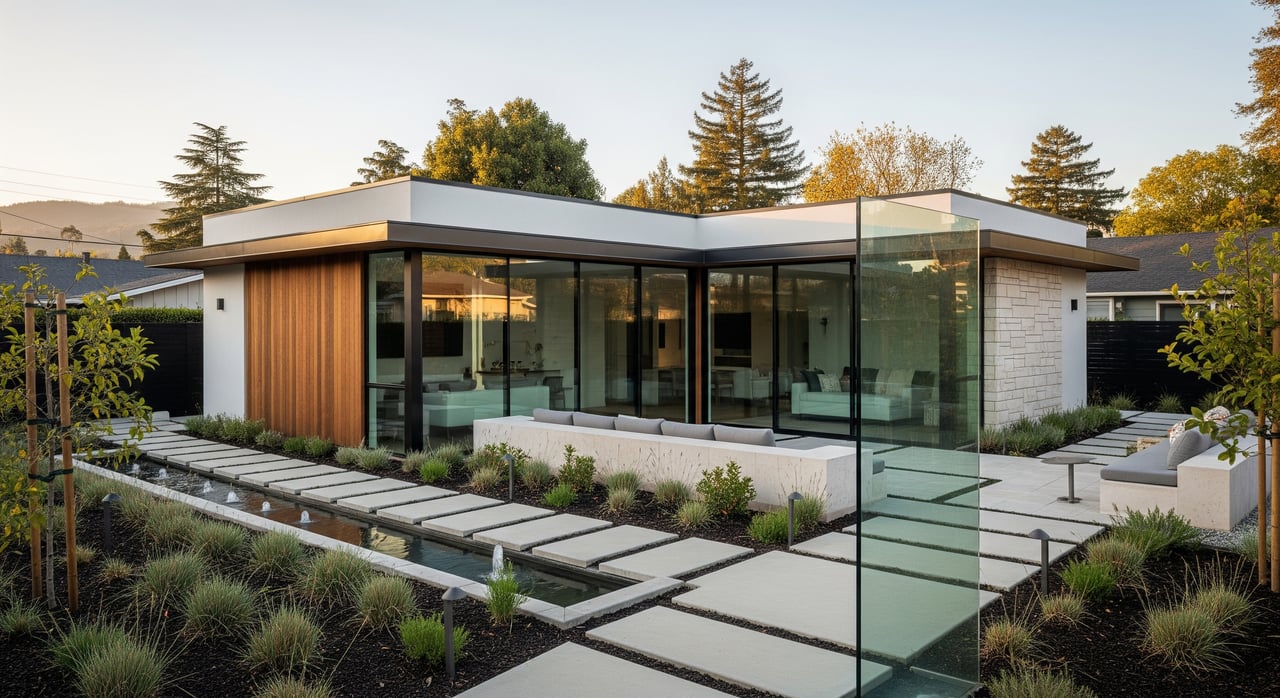
- Detached ADU: A stand‑alone backyard cottage that is separate from the main home.
- Attached ADU: An addition or conversion that shares a wall with the main home.
- Junior ADU (JADU): Up to about 500 square feet within the existing home, often with a shared kitchen arrangement.
- Conversion ADU: A garage, basement, or other accessory space converted to habitable use.
- Legalization ADU: An existing unpermitted unit brought into compliance through a retrospective permit process.
Choose your path: pre‑approved, custom, or legalization
The right approach depends on your lot, timeline, budget, and income goals. Each route has clear tradeoffs.
Pre‑approved plans: speed and simplicity
Pre‑approved or pre‑certified plan sets are designed to shorten design time and streamline plan check. You adapt the plan to your site with a property‑specific site plan and any required energy or structural documentation.
- Pros: Faster plan prep, reduced design cost, predictable approvals when you meet objective standards.
- Cons: Limited layout and finish flexibility, potential fit issues on constrained lots.
- Best for: Straightforward lots, smaller detached units, owners who value speed and cost certainty.
Custom design: maximize fit and finish
A custom plan by an architect or designer can unlock value on tricky sites or where design and finishes are a priority.
- Pros: Tailored footprint for setbacks and easements, optimized layout, higher rental appeal.
- Cons: Higher design fees, longer plan prep, more plan check iterations.
- Best for: Complex sites, larger detached units, owners targeting premium rents or long‑term resale upside.
Legalization: bring an existing unit into compliance
If you already have an unpermitted unit, the legalization track focuses on as‑built documentation and targeted upgrades to meet current codes.
- Pros: Preserves existing improvements where feasible, clarifies legal status for renting and resale.
- Cons: Unknown conditions can drive structural, utility, and life‑safety upgrades; timelines vary widely.
- Best for: Existing conversions or garage apartments that can be corrected to meet code.
What Mountain View reviews and approves
Most compliant ADUs follow a ministerial approval process that relies on objective checklist standards. If your project needs relief from those standards, it may shift into a discretionary or variance process with longer timelines.
Key checkpoints the City typically verifies:
- Zoning district, ADU type and allowable size for your lot.
- Height and story limits that apply to your design.
- Setbacks, location on the lot, and any overlays such as flood or historic.
- Lot coverage or floor‑area ratio rules where applicable.
- Parking requirements and state‑level exemptions near transit.
- Utility capacity and connection approach for water, sewer, and electric service.
- Fire and life‑safety items such as defensible space or sprinklers depending on location and scope.
- Energy compliance under Title 24 and CALGreen requirements.
- Impact and connection fees that may apply based on unit size and scope.
- Accessibility triggers and owner‑occupancy or rental rules where relevant.
For legalization, expect added focus on as‑built documentation, structural adequacy, egress windows, safe electrical and gas installations, and sanitary connections.
Permit process: step by step
Most projects in Mountain View follow a predictable sequence. Legalization adds as‑built verification and targeted corrections.
Pre‑design and feasibility
- Confirm your zoning, setbacks, parking rules, and any overlays.
- Assess utilities, including sewer lateral location and electrical panel capacity.
- If using a pre‑approved plan, verify fit on your site with minimal modifications.
Plan preparation
- Pre‑approved route: Adapt the plan and prepare site‑specific documents such as a site plan and energy forms. Add soils or structural items if needed.
- Custom route: Hire a designer to prepare a full plan set that meets local plan check standards and Title 24.
Permit application and plan check
- Submit the building permit application with plans, structural calculations if required, and MEP diagrams.
- Plan check may include planning, building, public works, and fire review.
- Respond to comments, then resubmit until clear.
Construction and inspections
- Typical inspections include foundation, underground utilities, framing, rough MEP, insulation, drywall or lath, and final inspections.
- Legalization projects may require third‑party evaluations such as structural or seismic.
Final approval
- After all inspections pass and fees are paid, you receive final approval and a Certificate of Occupancy. Legalized units are recorded as permitted going forward.
Common plan check pitfalls
- Missing or unclear site plan dimensions for setbacks.
- Bedroom egress windows that do not meet code.
- Insufficient structural details for seismic loads.
- Title 24 energy documentation that does not match the plans.
- Unexpected utility upgrades such as main panel or sewer lateral replacements.
Timelines you can expect
Timelines vary by scope, corrections, and contractor availability. Use these ranges for planning:
- Pre‑approved plan with ministerial review: about 1 to 3 months for plan check, 3 to 6 months for construction of smaller detached units, about 4 to 9 months total for straightforward projects.
- Custom design with standard plan check: 4 to 12 weeks for design, 1 to 3 months for plan check, 4 to 9 or more months for construction, about 6 to 15 or more months total.
- Legalization of an existing unit: about 3 to 6 months for minor corrections to 6 to 18 or more months for units that require structural or utility upgrades or extended plan check.
- Discretionary or variance cases: add about 3 to 6 or more months for public notice and hearings.
What ADUs cost in the Bay Area
Costs depend on site constraints, finishes, and utility work. Model with conservative ranges, then refine with local bids.
- Construction range: about 200 to 600 or more dollars per square foot. Detached units with kitchens and high‑end finishes trend higher. Garage conversions or simple JADUs trend lower.
- Additional hard and soft costs:
- Design and engineering fees, often 5 to 15 percent of construction.
- Permit and impact fees. Smaller ADUs may receive reduced fees based on state law. Confirm the current schedule.
- Utility connection fees and upgrades. Electrical panels, separate meters, and sewer laterals can add several thousand to tens of thousands.
- Site work and access such as retaining walls, tree protection, and staging.
- Landscaping, driveway adjustments, and exterior finishes.
- Contingency of 10 to 20 percent, higher for older homes or legalization.
- Legalization cost drivers:
- Structural retrofits, foundation work, or shear walls.
- Plumbing and electrical replacements to meet current safety standards.
- Fire protection measures if required based on scope and location.
Model the numbers with confidence
Build a clear pro forma before you commit. A simple model prevents surprises and helps you compare plan options.
- Property constraints: lot size, zoning, setbacks, easements.
- ADU type and size assumptions.
- Design, engineering, and possible geotechnical costs.
- City permit and impact fees.
- Construction cost per square foot low, likely, and high estimates.
- Utility upgrades for electric, water, and sewer.
- Site work such as grading, retaining, and access.
- Soft costs and inspections, temporary fencing, and logistics.
- Time assumptions for design, plan check, construction, and inspections.
- Rental income estimate, operating costs, vacancy, and reserves.
Scenario snapshots to test:
- JADU within the existing home: 1 to 2 months for design and permit, 1 to 3 months for construction, generally lower cost.
- Garage conversion of about 200 to 400 square feet: 2 to 4 months to build, mid‑range per‑square‑foot costs.
- Detached backyard ADU of about 600 to 900 square feet using a pre‑approved plan: 1 to 3 months for design and permit, 4 to 6 months for construction, moderate to higher per‑square‑foot cost based on site work.
- Large custom detached ADU of about 1,000 to 1,200 or more square feet: 2 to 4 months for design, 2 to 4 months for plan check, 6 to 12 months for construction, higher site and permitting costs.
Compliance and risk tips for Mountain View owners
A few proactive checks can reduce surprises:
- Verify any existing violations, easements, or encroachments before you design.
- Confirm utility metering and service capacity early. Panel upgrades or sewer laterals can affect schedule and cash flow.
- Understand fire‑related requirements if your property is near hazard areas.
- If in a historic district or affected by neighborhood design review, plan for added time.
- For legalization, expect a structural review and focus on egress, ventilation, and sanitation.
Financing and cash flow
Owners commonly use HELOCs, cash‑out refinances, renovation or construction loans, ADU‑specific products from local lenders, or investor capital. Some state or local programs may offer grants or incentives from time to time. Confirm current options with lenders and public agencies.
When you model cash flow, include vacancy, property management, maintenance, reserves, and, for legalization, any lost rent during construction.
What to do next
- Confirm the latest Mountain View planning and building checklists, fee schedule, and ADU guidance.
- Decide if a pre‑approved plan fits your site or if a custom design is warranted.
- For legalization, schedule a site assessment with a licensed structural engineer or experienced contractor.
- Get two to three local bids and align them with your pro forma.
If you want a property‑specific ADU plan, timeline, and ROI review based on your Mountain View address, connect with Unknown Company to Request Your Complimentary Market Valuation. You will get a streamlined plan, curated vendor referrals, and hands‑on guidance from a single, accountable advisor.
FAQs
How long does ADU permitting take in Mountain View?
- Pre‑approved plans often see plan check in about 1 to 3 months, while custom designs commonly take 1 to 3 months after a 4 to 12 week design phase. Construction adds 3 to 9 or more months depending on size and complexity.
What can push an ADU into discretionary review?
- Requests for relief on setbacks, height, lot coverage, or projects in historic overlays can shift the project from ministerial to discretionary review and add several months for notices and hearings.
What is required to legalize an existing unpermitted ADU?
- Expect as‑built drawings, structural evaluation, egress checks, safe MEP systems, and confirmation of sanitation and ventilation. Timelines range from a few months to more than a year based on corrections.
Will sprinklers be required for a Mountain View ADU?
- Fire and life‑safety needs vary by property location and scope. Some sites or unit types may trigger sprinklers or other measures. Confirm requirements with the fire and building reviewers during feasibility.
How do parking and impact fees apply to ADUs locally?
- State law limits certain parking and impact fees, especially for smaller units and ADUs near transit. The City’s current fee schedule and parking guidance control, so confirm the latest standards before you submit.
What financing options work well for ADUs?
- Owners often use HELOCs, cash‑out refinances, renovation or construction loans, or specialized ADU loans from local banks. Choose based on your equity, rate goals, and draw needs during construction.
When can I rent my new ADU, and what about short‑term rentals?
- After final inspections and issuance of your Certificate of Occupancy, you can lease the unit consistent with local rental rules. Verify any short‑term rental restrictions with the City before advertising.
Are there any amnesty or incentive programs I should know about?
- Programs change over time. Check for current City, County, and State offerings, including grants or streamlined legalization options, before you finalize your budget and schedule.